On the coast in Agger you can fish a variety of species
The most common and the easiest to catch is the mackerel.
When the water is boiling with small fish, right inside the hook at a breakwater, it's because the mackerel are hunting. The small fish can be both sandeels and small herring (called herring).
When the mackerel chase the small fish into a corner, they are full of hunting instinct and will take almost anything that moves in the water. That's why you can take a small rod with a four-hook leader that has some brightly colored artificial bait and plop it into the water about 3-4 meters from the shore. It takes a moment and then there's a big pull on the line. You can often find a mackerel sitting on each of the four hooks.
An important tip when catching mackerel is not to catch more than you can eat on the same day or in two days, because mackerel spoils quickly and when you've eaten mackerel for two days, you're so full of flavor that it takes a while before you want to eat the fish again. It tastes great and it tastes destined, so you have to really like it, because then it's a mouthful of heaven.
Mackerel can't be frozen for a very long time because it will become bland. If you want to freeze mackerel, freeze them in a bag with water so that they are packed in ice when frozen and they will keep the longest.
Keep an eye on local residents' Facebook pages or ask around town, because the mackerel are usually there for a short time throughout the year and you need to be there with your fishing rod.
Other species
At different times you can catch many other fish species. Here is a list and description of the fish that can typically be caught around Agger:
1. Sea trout
The sea trout is one of the most sought-after sport fish in Denmark. It is an agile and strong hunter that can grow large and powerful. Sea trout live in both salt and fresh water and often migrate inshore to find food. They can be caught all year round, but spring and fall are the best seasons. Sea trout hunt small fish such as sandeels, herring and shrimp, and can often be found in areas with bladderwrack and stone reefs. Known for its silvery body with black spots, the fish puts up an intense fight when it bites the hook.
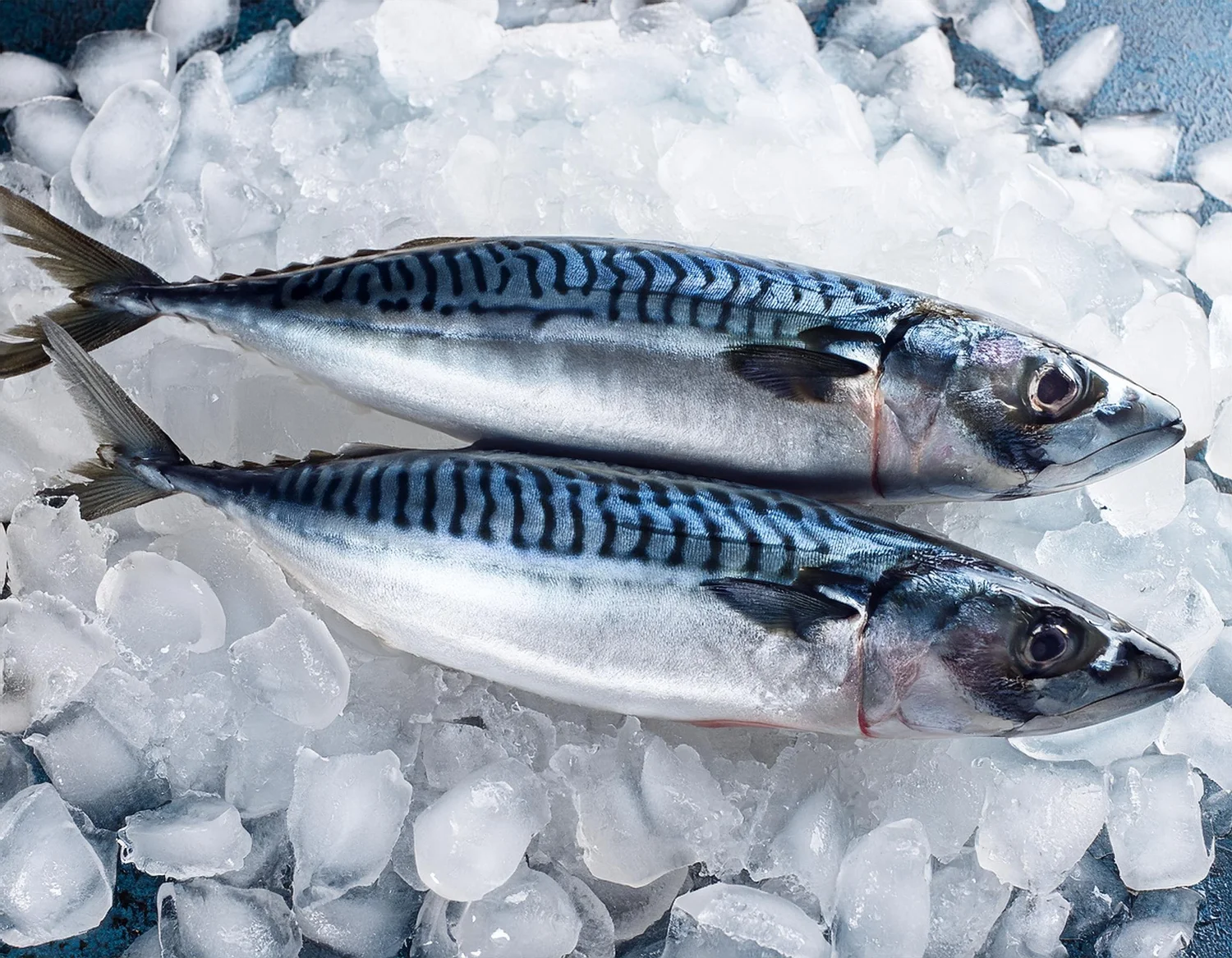
2. Mackerel
The mackerel is a fast and powerful fish that is a pleasure to catch on light tackle. They move in large schools and are especially active in the summer when they migrate close to shore. Mackerel prey on smaller fish such as herring and sandeels and can be found in deep water areas close to shore, such as piers or deep water coastlines. It has a shiny, blue-green back with black stripes and a shiny, silver belly. The mackerel gives a fun and intense fight when taken on light tackle.
3. Herring
The herring is a smaller, schooling fish that often moves close to the coast, especially in spring and fall. Herring is an important prey fish for many predatory fish such as mackerel, sea trout and cod, but is also a popular fish to catch on its own. Herring have a shiny silver body and move quickly in large schools. They are often caught using herring leaders and you can catch several at a time. They are especially active in fjords and coastal waters where they feed during the cold months.
4. Flatfish (plaice, flounder, dab) – a bit rarer now
Flatfish such as plaice, flounder and dab are bottom-dwelling fish that thrive on sand and gravel bottoms close to the coast. They are often most active in the spring and fall, when they migrate in search of food. Flatfish hunt small bottom dwellers such as worms, mussels and crustaceans. Plaice are characterized by their red spots, while flounder have a darker and rougher surface. These fish don't put up much of a fight, but they are popular among anglers because of their tasty meat.
5. Garfish – much rarer now
The garfish is a slender and fast fish that migrates close to the coast in spring to spawn. It is easily recognizable with its long, needle-shaped body and beak. The garfish can put up a fun and intense fight when it bites, often leaping out of the water in its attempts to break free. It hunts small fish such as sandeels and shrimp and is especially active during the warmer months. The garfish is a favorite catch for coastal fishermen and its legs are known to be green, although this does not affect the taste.
6. Cod – much rarer now
Cod is a powerful and popular food fish that can be found in Danish waters, especially in winter. It lives in both shallow and deep water and often migrates closer to the coast during the cold months to hunt small fish, crustaceans and molluscs. The cod is characterized by its large, robust body and distinctive beard on its chin. It can grow large and is known to deliver a stable and heavy fight. Cod is often caught on bottom tackle with bait such as herring, sandeel or sand worms.
7. Hvar – much rarer now
The herring is a flatfish that thrives on sandy bottoms close to the coast. It is known to camouflage itself on the seabed and wait to surprise its prey. It hunts small fish, crustaceans and bottom dwellers and is most active in spring and fall. It is a popular fish to catch due to its tasty meat and can be challenging to locate due to its ability to blend in with the seabed.
8. Sej – much rarer now
The saithe is a fast and strong predatory fish that often hunts in large schools close to the coast. It is part of the cod family and can be caught all year round, but is most active during the cooler months. It thrives in waters with strong currents and preys on smaller fish such as herring and sandeels. It is known to put up a tough fight on the hook and is therefore a coveted fish among anglers. It has a slender, dark green body with a white belly.
9. Eelpout
The eelpout is a bottom-dwelling fish that lives in more sheltered areas such as fjords and shallow coastlines. It has an eel-like body and feeds on benthic animals such as worms, crustaceans and small fish. The eelpout is most active in winter and can be found close to the coast, hiding between rocks and seaweed. It doesn't put up much of a fight, but is still a fun catch for those fishing along the coast.
10. Turbot – much rarer now
The turbot is a sought-after flatfish that can be caught close to the coast, especially on sand and gravel bottoms. It is known for its round shape and spiky skin. The turbot is a predator that hunts small fish and crustaceans on the seabed. It is a strong fighter and very popular among anglers due to both the exciting fight and its high food quality. The turbot is especially active in spring and fall and can grow large in Danish waters.
11. Sea bass
Sea bass thrive in areas with strong currents and can often be caught close to shore, especially around reefs, piers, rocky outcrops and cliff lines. They are most active in the summer months when the water is warmer and they can hunt small fish close to shore. In Thy, it is possible to catch sea bass in both the North Sea and the Limfjord, where there are good currents and plenty of prey fish.
Good fishing spot
You usually have to go to pier 72 to reach the fish mentioned above. This pier is also called "The Long Pier" and offers a view of Thyborøn. Pier 72 is located at the very end of Agger Tange and when driving from Agger and onto Agger Tange, you must turn off at the sign on the right side, where there is a sign for bathing water. A little to the west, facing the sea, there is a parking lot where you can walk directly over the dunes and down to Høfde 72.